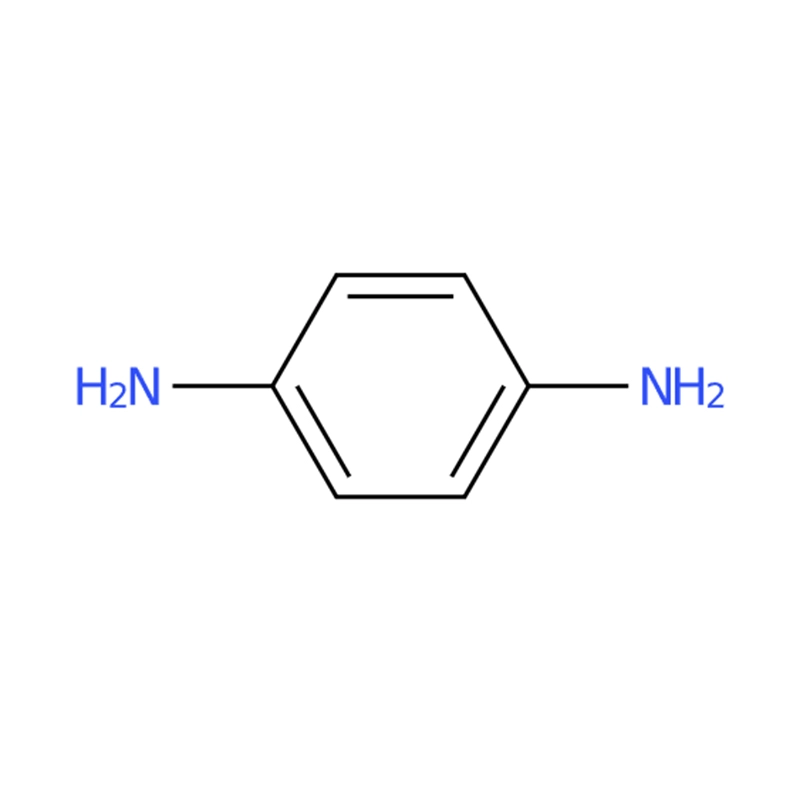
Product Description of p-Phenylenediamine CAS#106-50-3
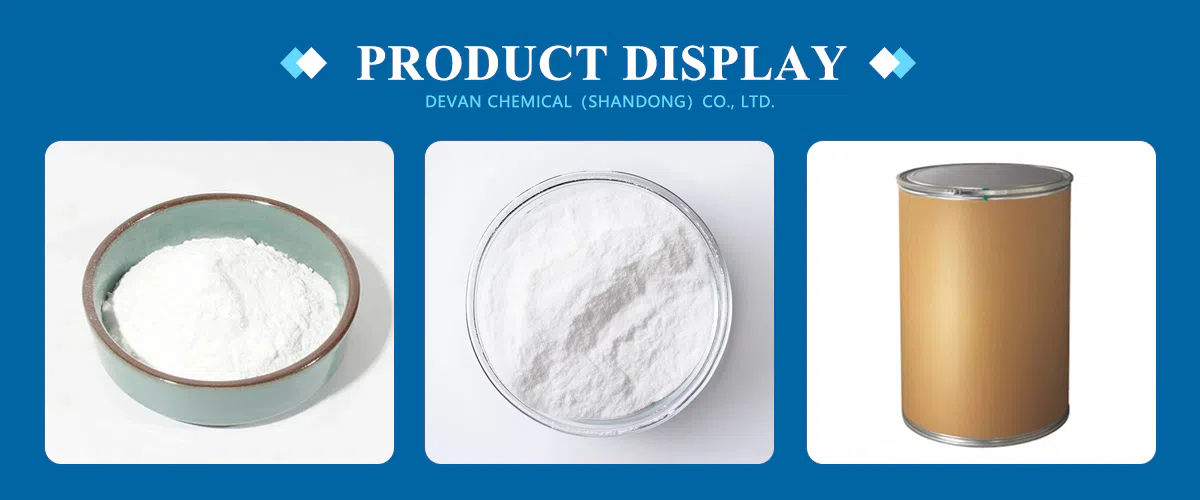
p-Phenylenediamine, also referred to as PPD, ranks among the most straightforward aromatic diamine substances. High-purity samples occur as white to light purple crystals, and the solid will slowly shift to purple or dark-brown hues upon contact with atmospheric oxygen. It exhibits low solubility in cold water, while showing good dissolving capacity in organic media including ethanol, ether, chloroform and benzene. This compound holds the molecular formula C₆H₈N₂ and has a molecular weight of 108.14. It acts as a key intermediate for dyes, hair colorants and polymer materials.
p-Phenylenediamine Chemical Properties
| Melting point | 138-143 °C (lit.) |
| Boiling point | 267 °C (lit.) |
| density | 1.135 g/cm3 (20℃) |
| vapor density | 3.7 (vs air) |
| vapor pressure | 1.08 mm Hg ( 100 °C) |
| refractive index | 1.6339 (estimate) |
| Fp | 156 °C |
| storage temp. | Store below +30°C. |
| solubility | Soluble in alcohol, chloroform, ether and hot benzene. |
| Colour Index | 76060 |
| form | Powder or Flakes |
| pka | 4.17(at 25℃) |
| color | White, gray, or purple to brown |
| PH Range | NonQ uorescence (3.1) to orange/yellow Q uorescence (4.4) |
| PH | 9 (50g/l, H2O, 20℃) |
| Water Solubility | 47 g/L (25 ºC) |
| Merck | 147285 |
| BRN | 742029 |
| Exposure limits | TLV-TWA 0.1 mg/m3 (ACGIH 1989); TWA skin 0.1 mg/m3 (MSHA and OSHA); IDLH 25 mg/m3 (NIOSH); carcinogenicity: Animal Inadequate Evidence (IARC). . |
| Stability: | Stable, but oxidizes when exposed to air. Incompatible with oxidizing agents. Store under inert atmosphere. |
| Major Application | Nanoparticles, liquid crystal displays, chemical mechanical polishing, bottom antireflective coatings, electrochromic materials, inks, rubber, hair dyes, cosmetics, treatment of virus skin infection |
| InChIKey | CBCKQZAAMUWICA-UHFFFAOYSA-N |
| LogP | -0.84 at 20℃ |
| CAS DataBase Reference | 106-50-3(CAS DataBase Reference) |
| NIST Chemistry Reference | 1,4-Benzenediamine(106-50-3) |
| IARC | 3 (Vol. 16, Sup 7) 1987 |
| EPA Substance Registry System | p-Phenylenediamine (106-50-3) |
Safety Information
| Hazard Codes | T,N,T+,Xn |
| Risk Statements | 23/24/25-36-43-50/53-63-36/37/38-45-40-48/22-67-52/53 |
| Safety Statements | 28-36/37-45-60-61-28A-24/25-23-53-26 |
| RIDADR | UN 1673 6.1/PG 3 |
| WGK Germany | 3 |
| RTECS | SS8050000 |
| F | 39744 |
| Autoignition Temperature | 567 °C |
| TSCA | Yes |
| HazardClass | 6.1 |
| PackingGroup | III |
| HS Code | 29215119 |
| Hazardous Substances Data | 106-50-3(Hazardous Substances Data) |
| Toxicity | LD50 in rats (mg/kg): 80 orally, 37 i.p. (Burnett) |
| IDLA | 25 mg/m3 |

Product Application of p-Phenylenediamine CAS#106-50-3
p-Phenylenediamine (PPD) is a fundamental aromatic amine raw material , it is extensively utilized for synthesizing azo dyes, sulfur dyes and acid dyes, as well as high-performance polymer materials and aramid fiber products. In the leather and fur industry, it serves as a key coloring precursor for classic fur colorants including Fur Black D, Fur Blue Black DB and Fur Brown N2. Additionally, it is an essential intermediate for producing rubber antioxidants such as DNP and MB, and acts as a core ingredient in D-series oxidative hair dye formulations and gasoline anti-oxidation additives.
In cosmetic applications, PPD is legally permitted for hair dye production with stringent dosage restrictions. According to international cosmetic regulations, the maximum allowable concentration in finished hair dye products is capped at 6%, while typical one-wash black shampoo formulations contain 1.1%–1.4% PPD.
Beyond coloring and polymer synthesis, it functions as a sensitive analytical reagent for qualitative and quantitative detection of iron and copper ions. It is also applied in high-end coating systems and special functional material manufacturing for industrial defense-grade applications.